Furs, Feathers, & Fashion
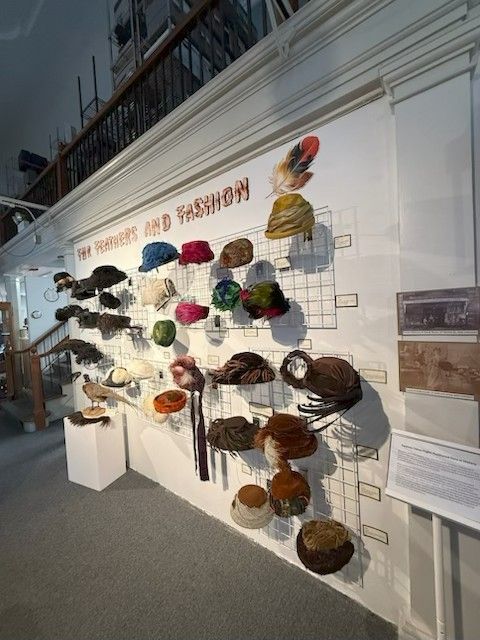
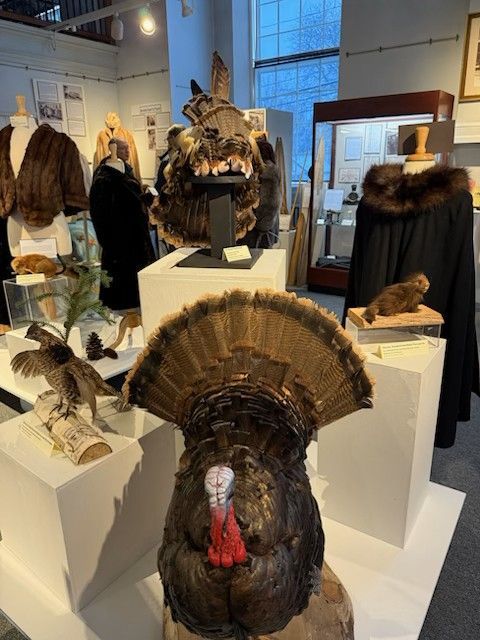
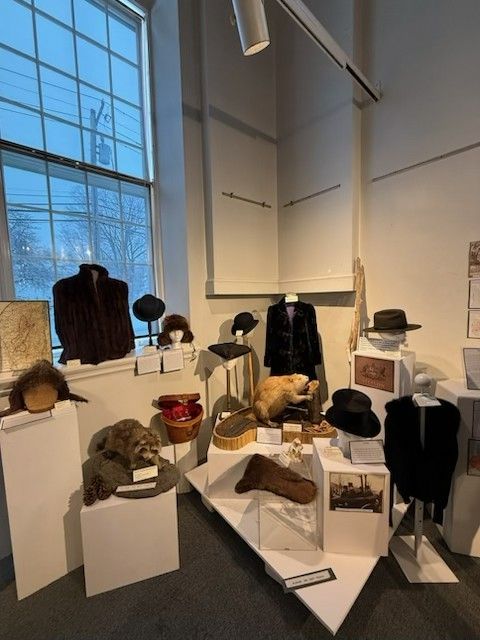
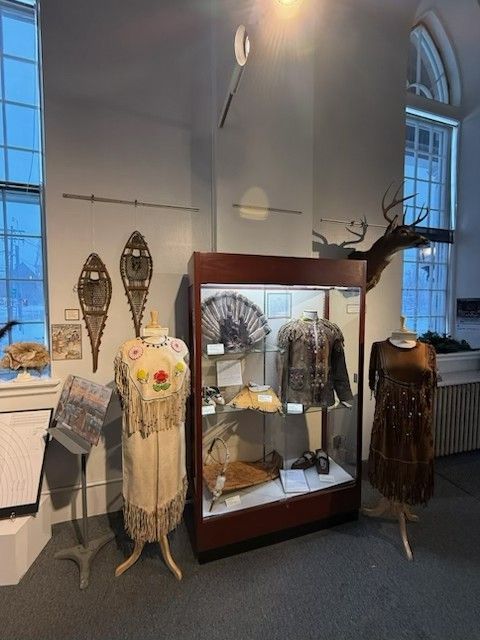
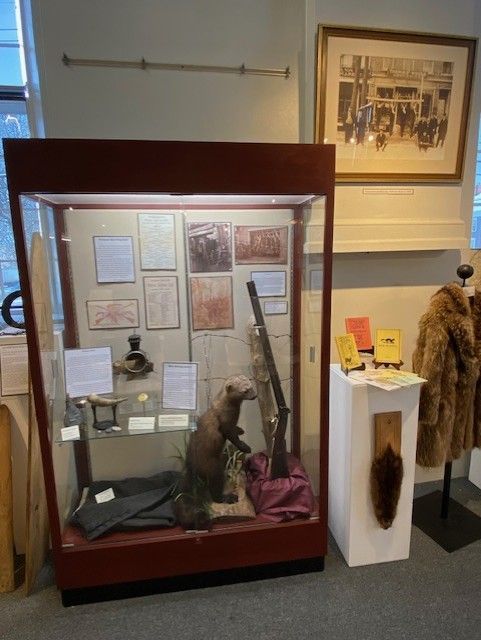
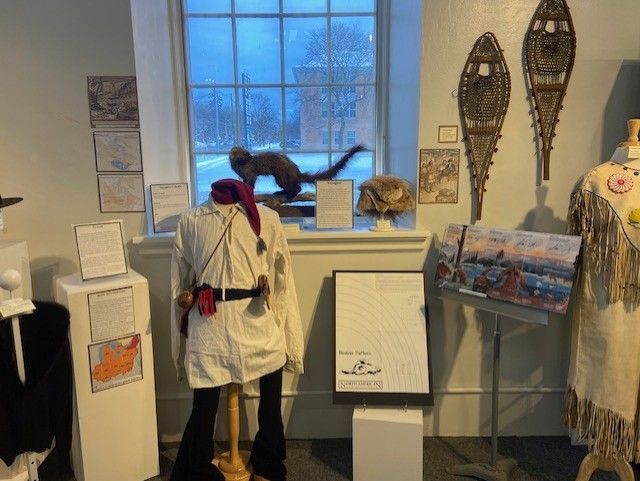
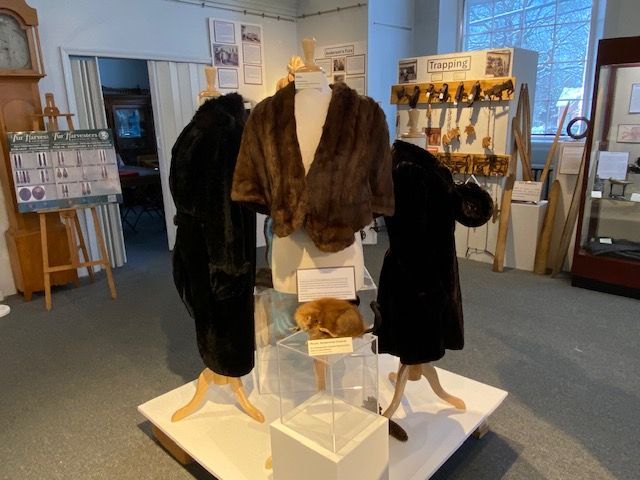
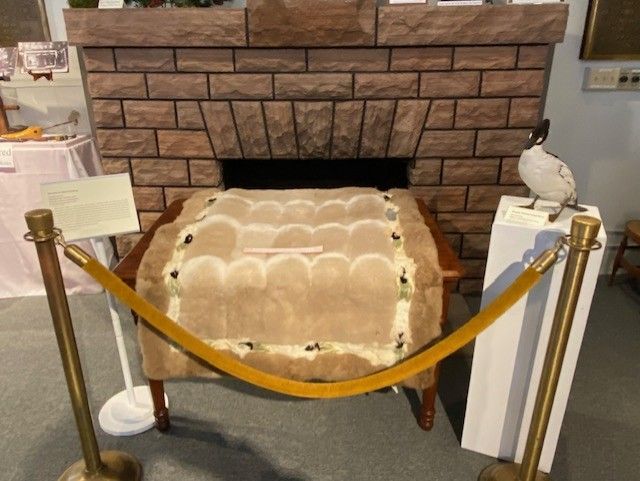
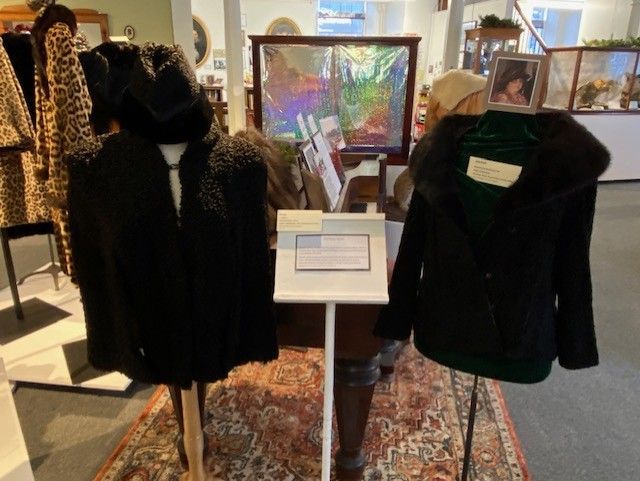
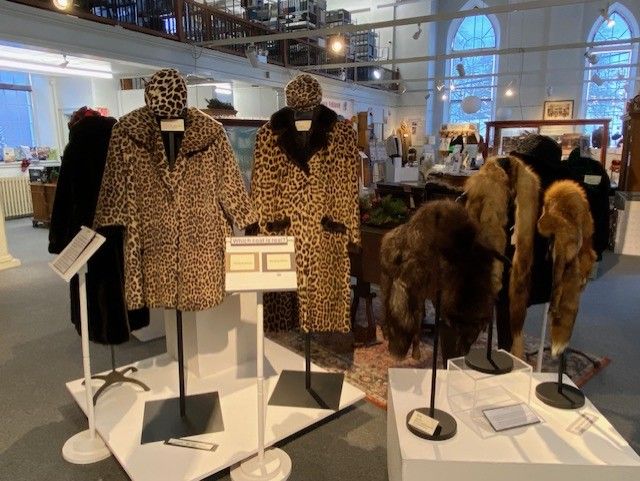
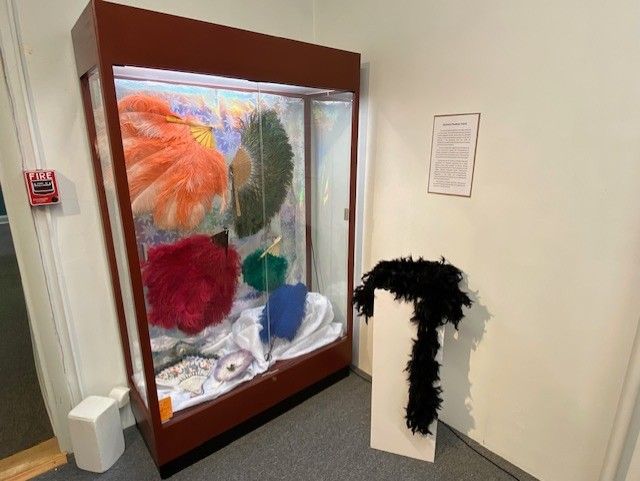
Fur, Feathers & Fashion, some local history of trapping and hunting and historic uses of animal skins, fur, feathers, hides and other material to create clothing, textiles, taxidermy and more. The museum neither supports nor opposes the practices presented in this exhibition. They are shown for historical understanding.
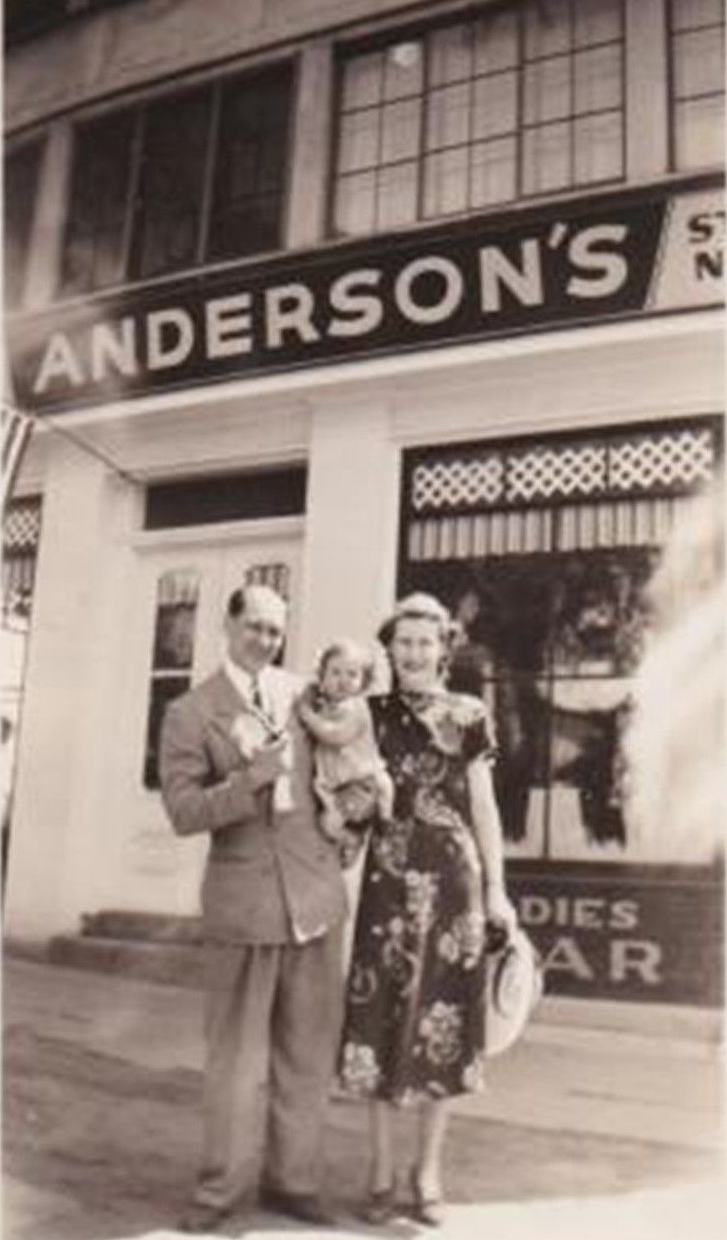
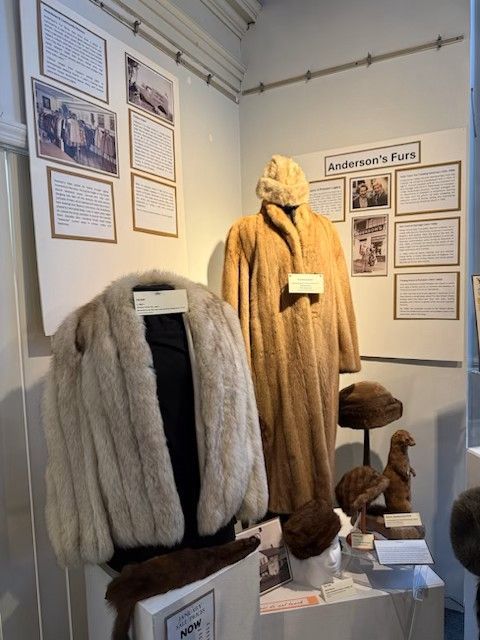
The Andersons: A Potsdam Legacy
For more than forty years, Anderson’s Fur Shop was a familiar landmark in Potsdam. Its story is inseparable from the lives of Norman (1911-1990) and Grace (1923-2011) Anderson. They built a business that became not only a place of commerce but a place of stories: trappers arriving with their winter haul, children digging through a bin of fur scraps, and customers returning year after year for repairs, remodels, or fur purchases and storage.
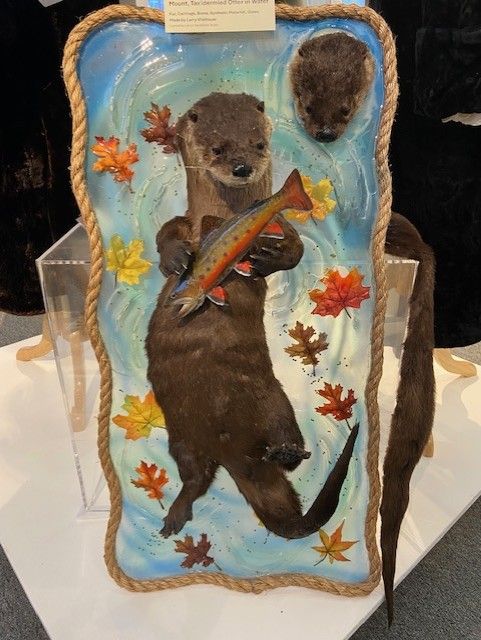
What is Taxidermy?
Taxidermy is a way of preparing, stuffing and/or mounting an animal for display or study. It usually involves arranging an animal's real skin over a fake body to make the animal look alive! It is a way of preserving the body so that scientists or museum visitors can see what the animal was like when it was alive.
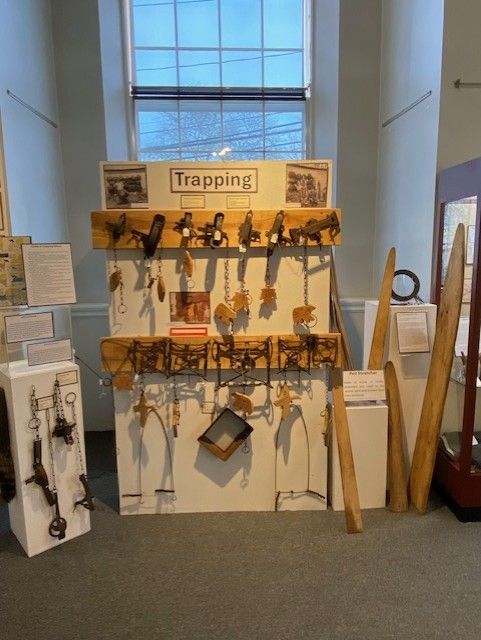
History of Trapping
Humans have trapped animals for thousands of years for food and clothing, the earliest examples appearing over 7,000 years ago. Early traps were commonly snares, deadfalls, and pit traps made using natural materials. The first references to metal traps are seen in the 16th century and they were soon brought to North America for its thriving fur trade. In the last century, non-lethal traps have been developed to capture animals for relocation for safety reasons or pest control.
We gratefully acknowledge the following for the loan of
artifacts and expertise:
St. Lawrence County Center for History and Culture, Canton, NY
The Nicandri Nature Center, Massena, NY
Larry’s Taxidermy Studio, Ogdensburg, NY
The Wanakena Historical Association/History Center, Wanakena, NY
Akwesasne Cultural Center (Museum), Akwesasne, NY
Backwoods Taxidermy, Potsdam, NY
Community Members